
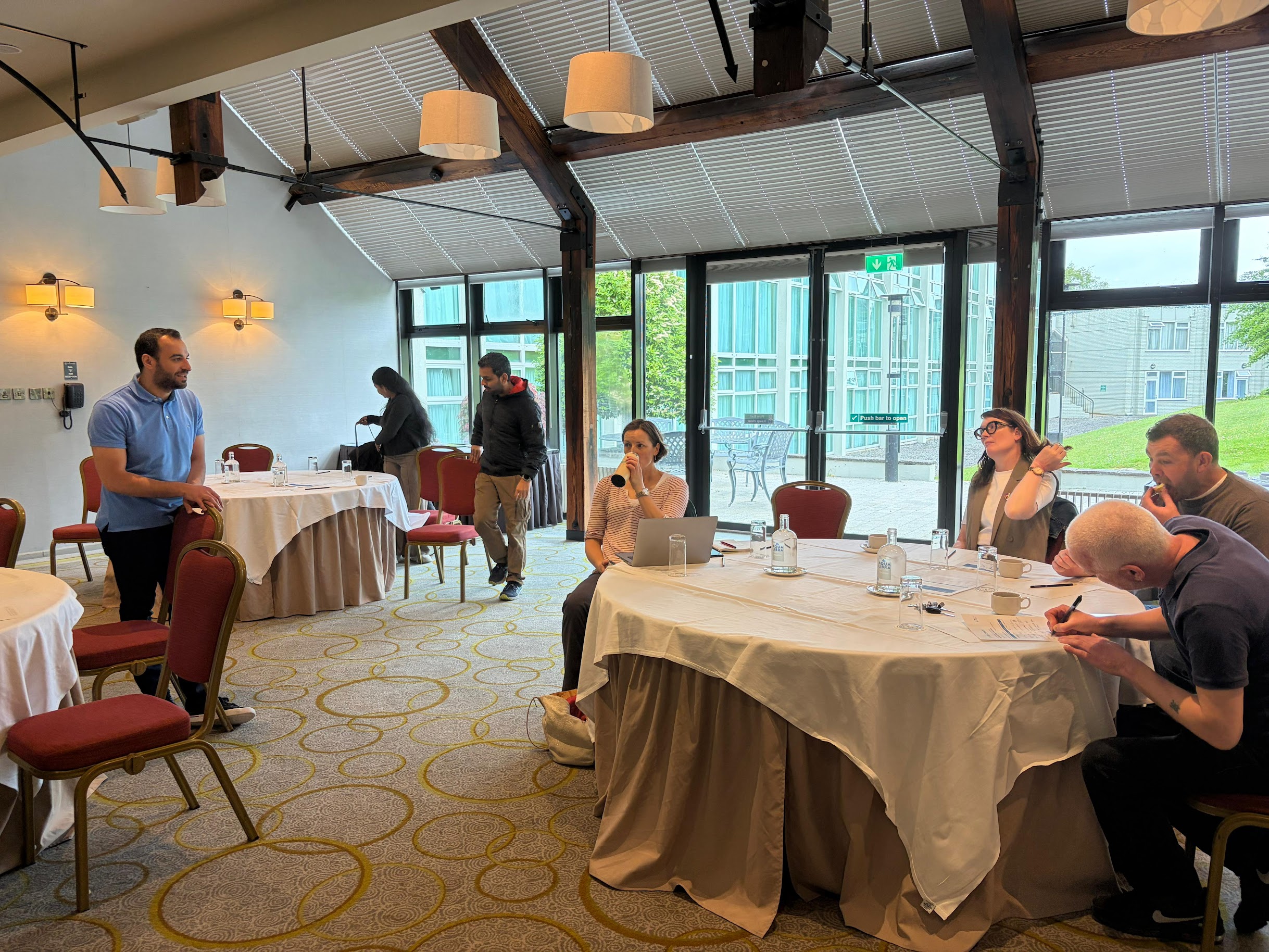
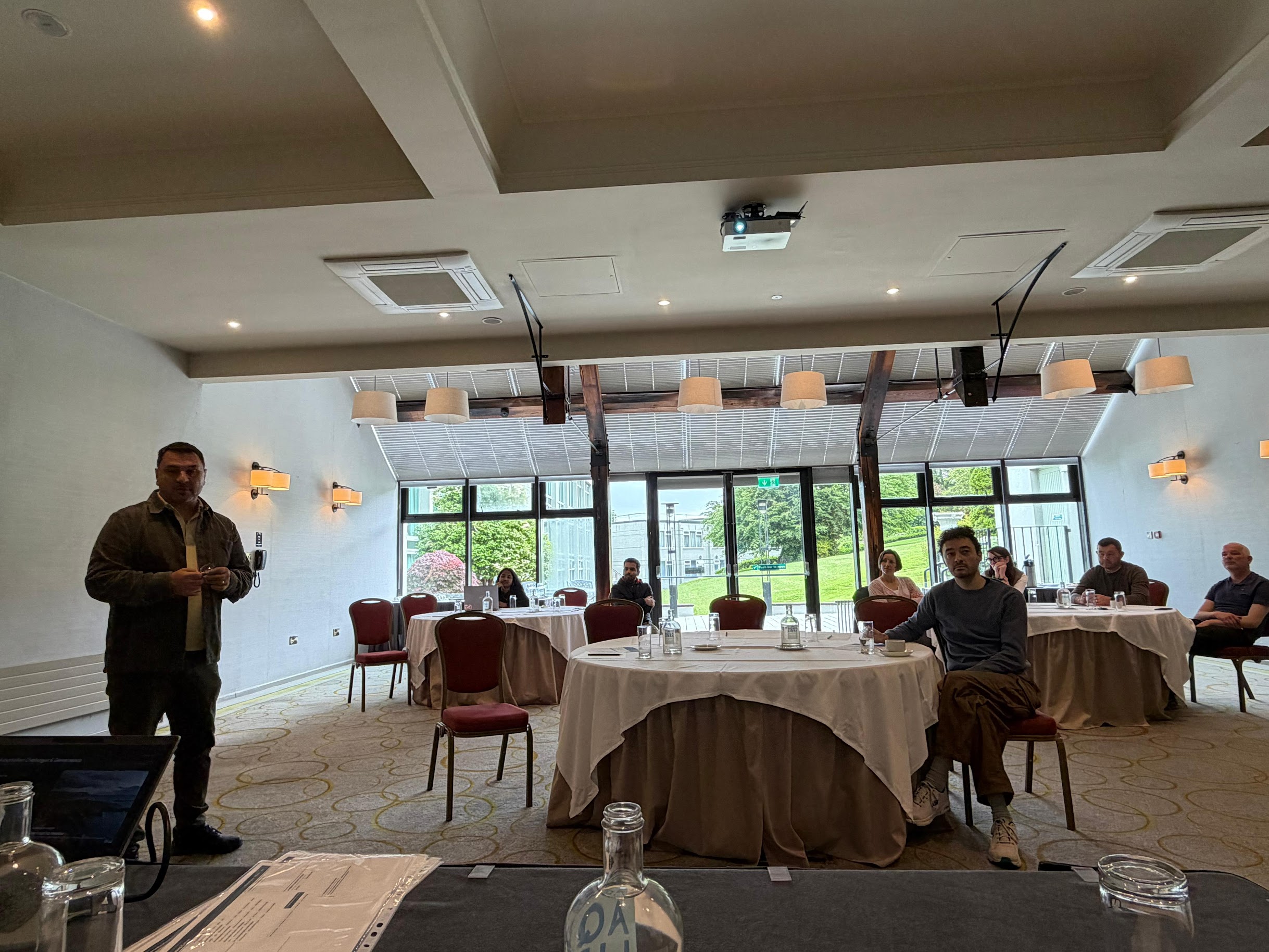
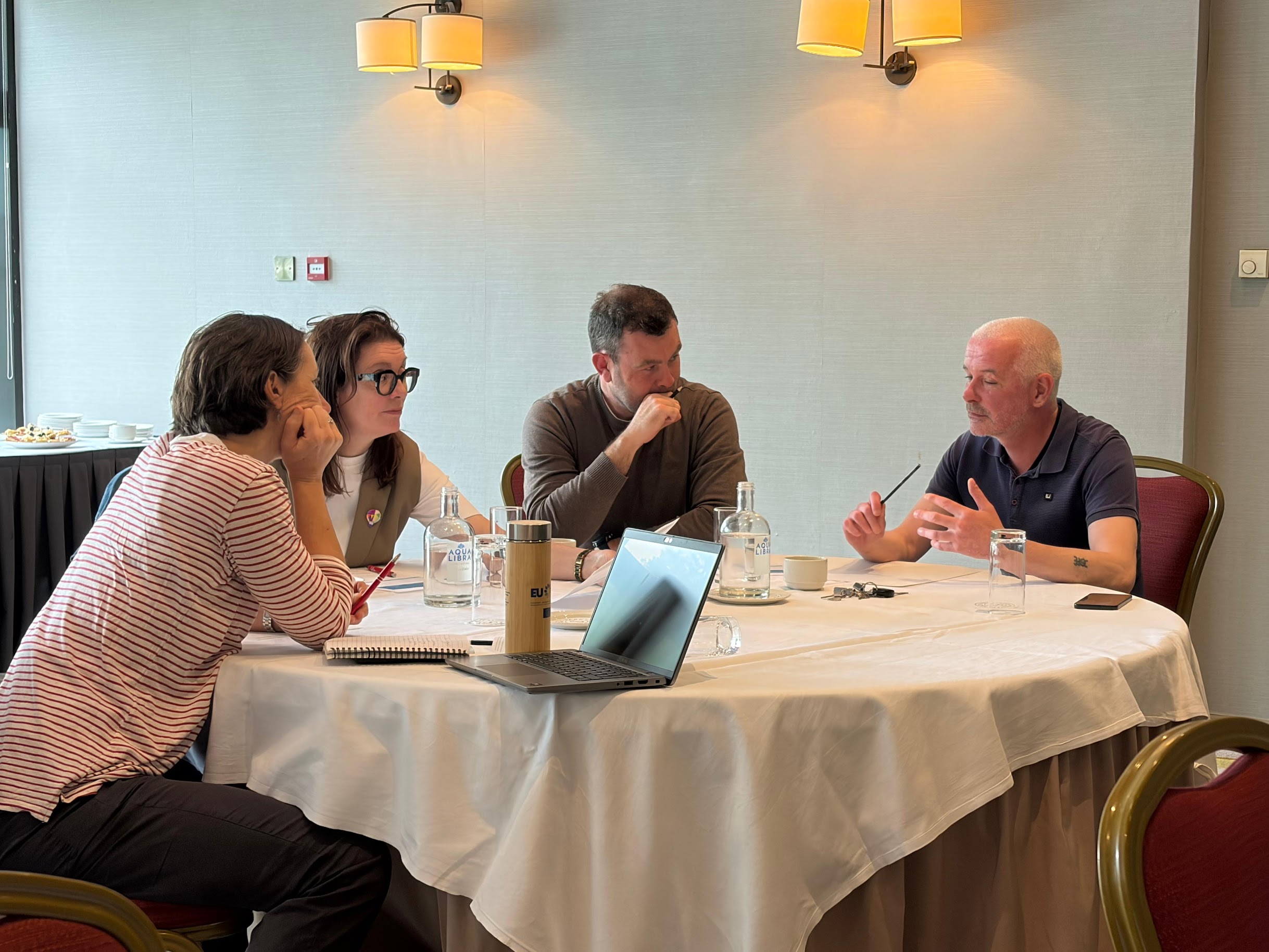
The Atlantic Technological University (ATU) successfully hosted the “Sligo Living Lab: Co-creating Climate Adaptation Pathways for Sligo” workshop, as part of the Horizon Europe-funded PRO-CLIMATE research project. Held at the Sligo Park Hotel, the event brought together public authorities, utilities, researchers, community organisations, and businesses to explore regional climate adaptation challenges and governance solutions.
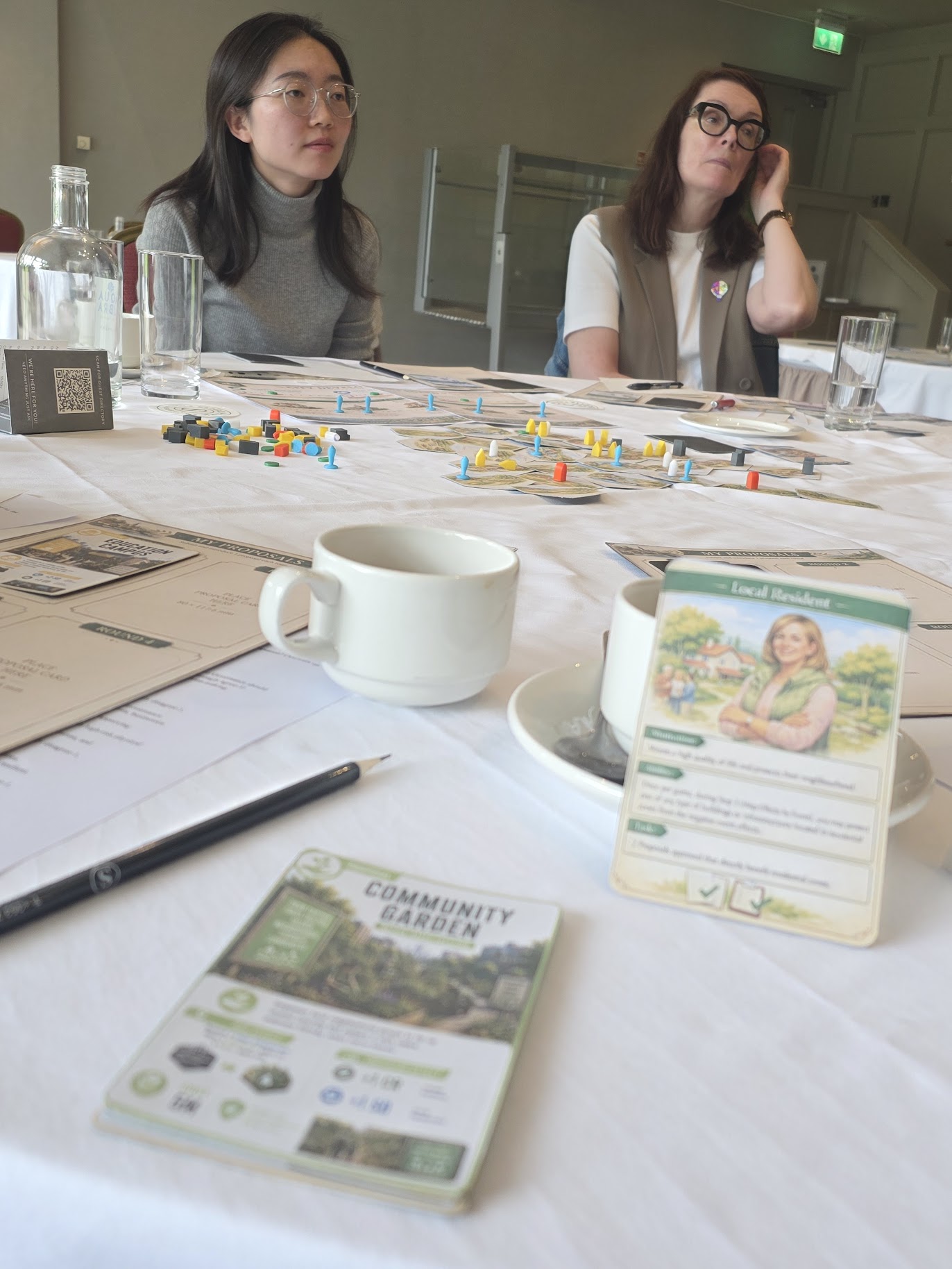
Guided by facilitators Dr. Catalin Anton and Dr. Xu Liu, and under the coordination of Dr. Salem Gharbia, Head of the Environmental Science Department at ATU, stakeholders engaged in collaborative discussions, interactive barrier and opportunity mapping, and scenario-based activities featuring an innovative serious game-’From Crisis to Consensus’. The primary goal of the workshop was to move beyond theoretical policy recommendations and co-create concrete, operational, and realistic implementation ideas for the Sligo region.
Through the governance mapping and discussions, key actor, the Sligo County Council (Sligo Coco), identified three major priorities for immediate action:
- Community Engagement and Behavioural Change: Recognising a “lack of knowledge in local communities,” participants emphasized that driving social transformation requires integrating climate awareness into the school-level education system (“early-age education”) to ensure long-term sustainability and public preparedness.
- Overcoming Institutional Silos: While noting strong existing collaborations (such as between NPWS, Marine Inst, and research centres), attendees pointed out that many groups are still “working in silos” due to excessive bureaucracy and competing priorities. The agreed practical solution is to replace rigid structures with “shorter, more frequent & focused meetings” to share knowledge and maintain momentum.
- Strict Implementation and Citizen Feedback: To overcome the administrative “system delay” and support decision-makers, participants stressed the urgent need to enforce proposed policies with strict timeframes (“timeframed actions”). Furthermore, bringing citizens directly into the governance loop via active feedback mechanisms was highlighted as essential to reducing local pushback against climate interventions.
The primary objective for the operational solutions and governance insights harvested from the Sligo Living Lab is their direct integration into the creation of the project’s Sustainability Plan. This vital initiative falls under Work Package 2 (WP2), which is also coordinated by the Atlantic Technological University (ATU), and will encompass strategy development for Sligo as well as five other European Living Labs: Badajoz (Spain), Bergen (Norway), Gdansk (Poland), Leipzig (Germany), and Zakynthos (Greece).
Secondarily, these results will feed into Work Package 6 (WP6), led by Leipzig University, helping to shape actionable climate adaptation policy recommendations across Europe.